How modern veneers achieve natural, ultra-realistic results
Modern veneers combine advanced materials and digital planning to deliver ultra-realistic, natural-looking smiles. Discover how today’s techniques achieve beauty, balance, and long-lasting results.
The evolution of veneer technology
Veneers have evolved significantly over the years. Modern materials and techniques allow for thinner, stronger restorations that preserve natural tooth structure while delivering exceptional aesthetics.
Today’s veneers are designed to enhance — not mask — your natural smile.
Advanced materials for natural appearance
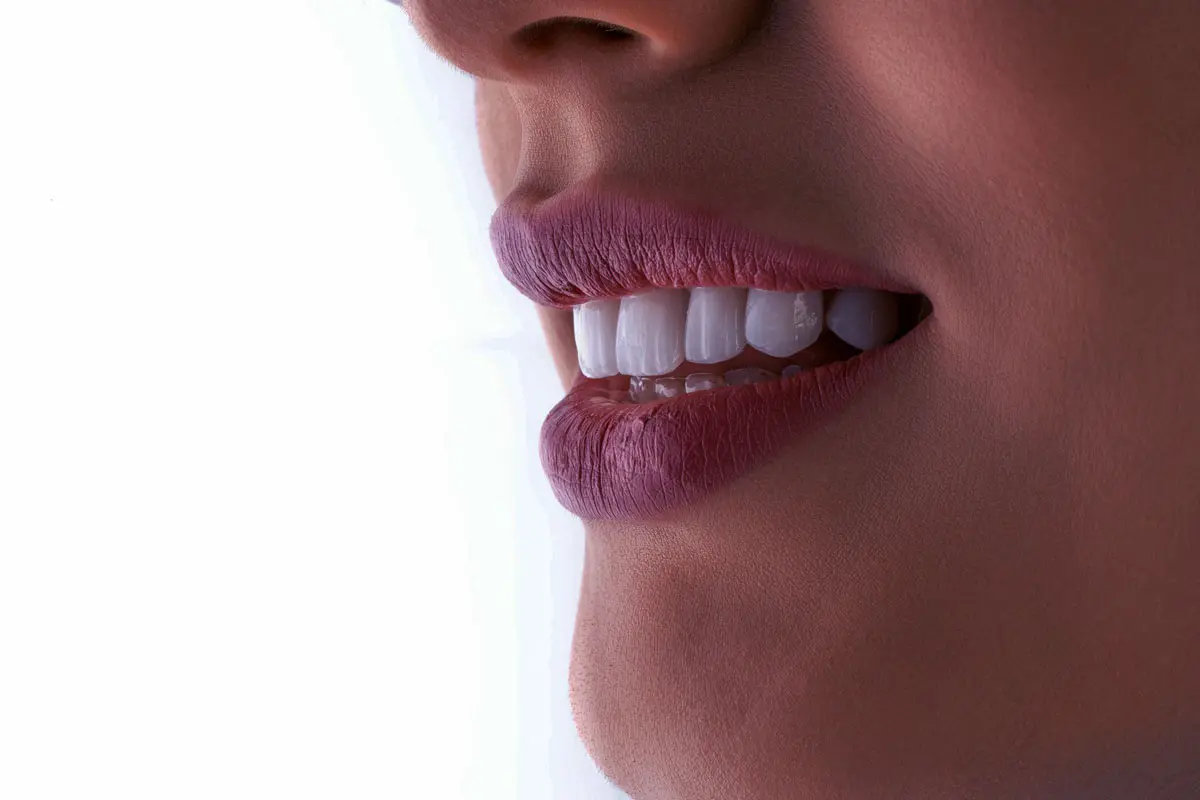
Contemporary veneers are crafted from high-quality ceramics that mimic the translucency, texture, and light reflection of natural enamel.
These materials allow clinicians to match color, shape, and brightness with remarkable precision, ensuring results that look authentic and harmonious.
Precision through digital planning
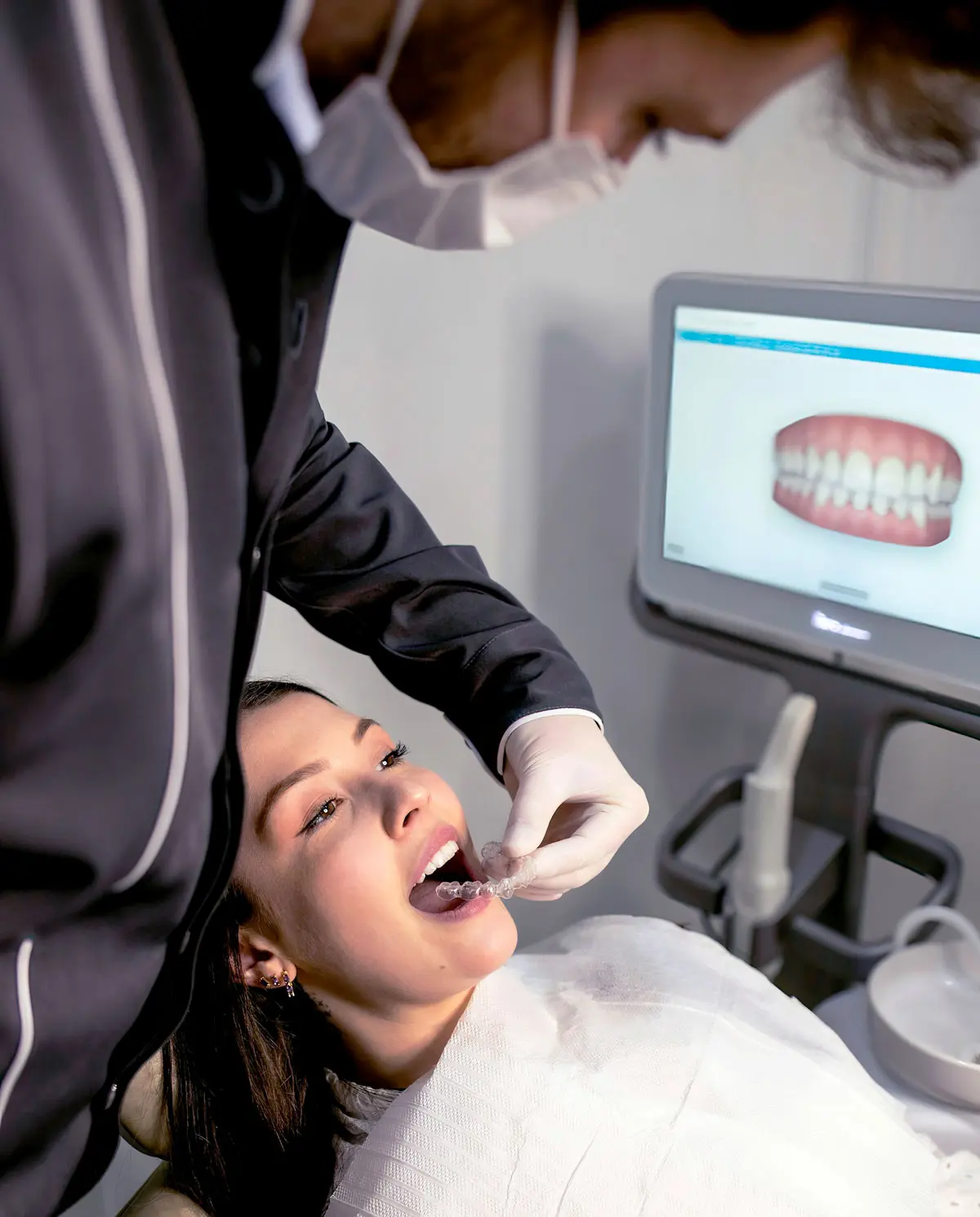
Digital smile design and advanced imaging play a key role in modern veneer treatments. Patients can preview their results before treatment begins, allowing for adjustments and clear expectations.
This precision ensures symmetry, facial harmony, and predictable outcomes.
Minimally invasive techniques
Modern veneers require minimal preparation compared to older methods. Preserving natural tooth structure improves comfort, longevity, and overall oral health.
A conservative approach supports both aesthetics and function.
Customization for every smile
No two smiles are the same. Modern veneer treatments are fully customized — considering facial features, bite alignment, and personal preferences.
This level of personalization is what creates ultra-realistic, confident results.
Modern veneers blend technology, artistry, and precision — delivering smiles that look natural, feel comfortable, and stand the test of time.
Ready for a gum health check?

Modern veneers combine advanced materials and digital planning to deliver ultra-realistic, natural-looking smiles. Discover how today’s techniques achieve beauty, balance, and long-lasting results.
The evolution of veneer technology
Veneers have evolved significantly over the years. Modern materials and techniques allow for thinner, stronger restorations that preserve natural tooth structure while delivering exceptional aesthetics.
Today’s veneers are designed to enhance — not mask — your natural smile.
Advanced materials for natural appearance
Contemporary veneers are crafted from high-quality ceramics that mimic the translucency, texture, and light reflection of natural enamel.
These materials allow clinicians to match color, shape, and brightness with remarkable precision, ensuring results that look authentic and harmonious.
Precision through digital planning
Digital smile design and advanced imaging play a key role in modern veneer treatments. Patients can preview their results before treatment begins, allowing for adjustments and clear expectations.
This precision ensures symmetry, facial harmony, and predictable outcomes.
Minimally invasive techniques
Modern veneers require minimal preparation compared to older methods. Preserving natural tooth structure improves comfort, longevity, and overall oral health.
A conservative approach supports both aesthetics and function.
Customization for every smile
No two smiles are the same. Modern veneer treatments are fully customized — considering facial features, bite alignment, and personal preferences.
This level of personalization is what creates ultra-realistic, confident results.
Modern veneers blend technology, artistry, and precision — delivering smiles that look natural, feel comfortable, and stand the test of time.